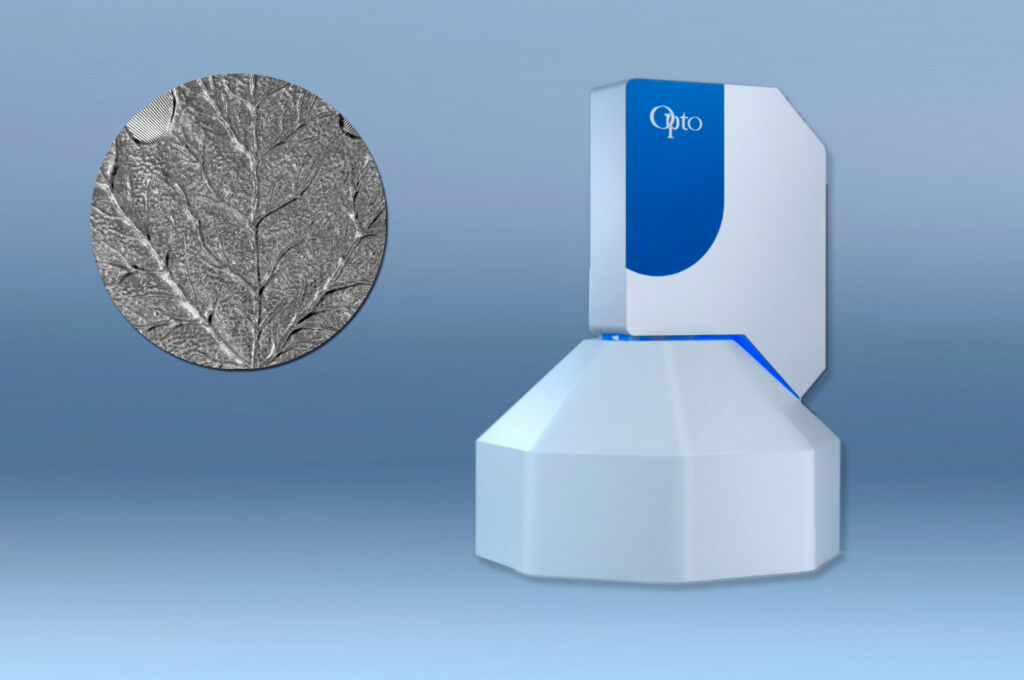
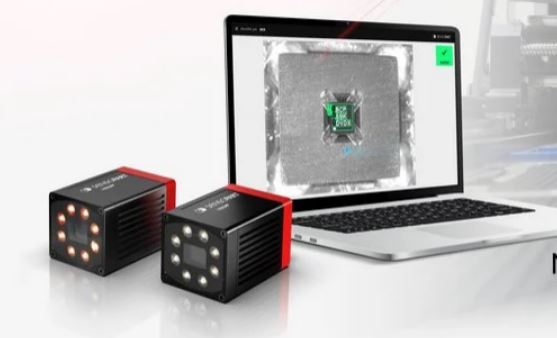
Optos Solino-System vermisst Oberflächen mithilfe computergestützter Bildgebung und gezielt gesteuerter Lichtreflexionen. Dafür beleuchten 64 LEDs das Objekt aus verschiedenen Richtungen, während eine 20‑Megapixel-Kamera jede Beleuchtungssituation einzeln aufnimmt. Aus den Daten entsteht eine mehrdimensionale Reflexionskarte (BRDF-Profil), mit der sich mikroskopische Defekte, Rauheit, Verunreinigungen und weitere Anomalien erkennen lassen. Der Audiobeitrag wurde KI-gestützt erstellt und von Taito Verlag bereitgestellt.
* Diese Inhalte wurden mithilfe von Künstlicher Intelligenz erstellt und können Fehler enthalten.
At the heart of Opto’s solino surface measurement system lies a computer-aided imaging approach. By precisely controlling the interaction of light with a surface, the system captures the object’s optical fingerprint. Internally, 64 LEDs illuminate the object from various directions, while a 20MP camera records each illumination angle individually. The result is a multidimensional reflection map. By analyzing these reflection patterns (BRDF profiles), the system detects microscopic imperfections, roughness, contaminants, and other anomalies.
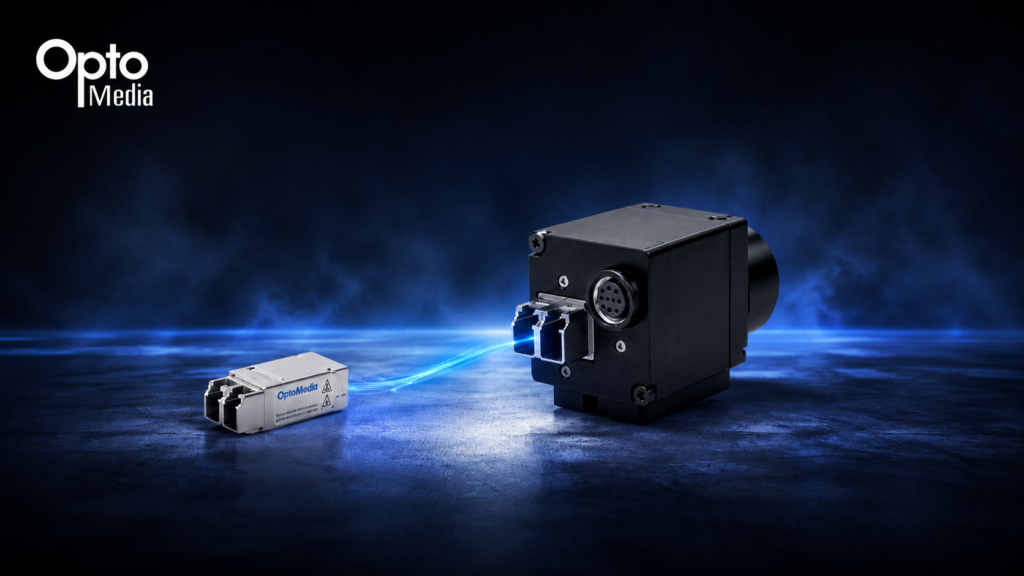
OptoMedia Technology introduces the Mini SFF (Small Form Factor) optical transceiver series – a compact, board-mounted fiber-optic solution designed specifically…